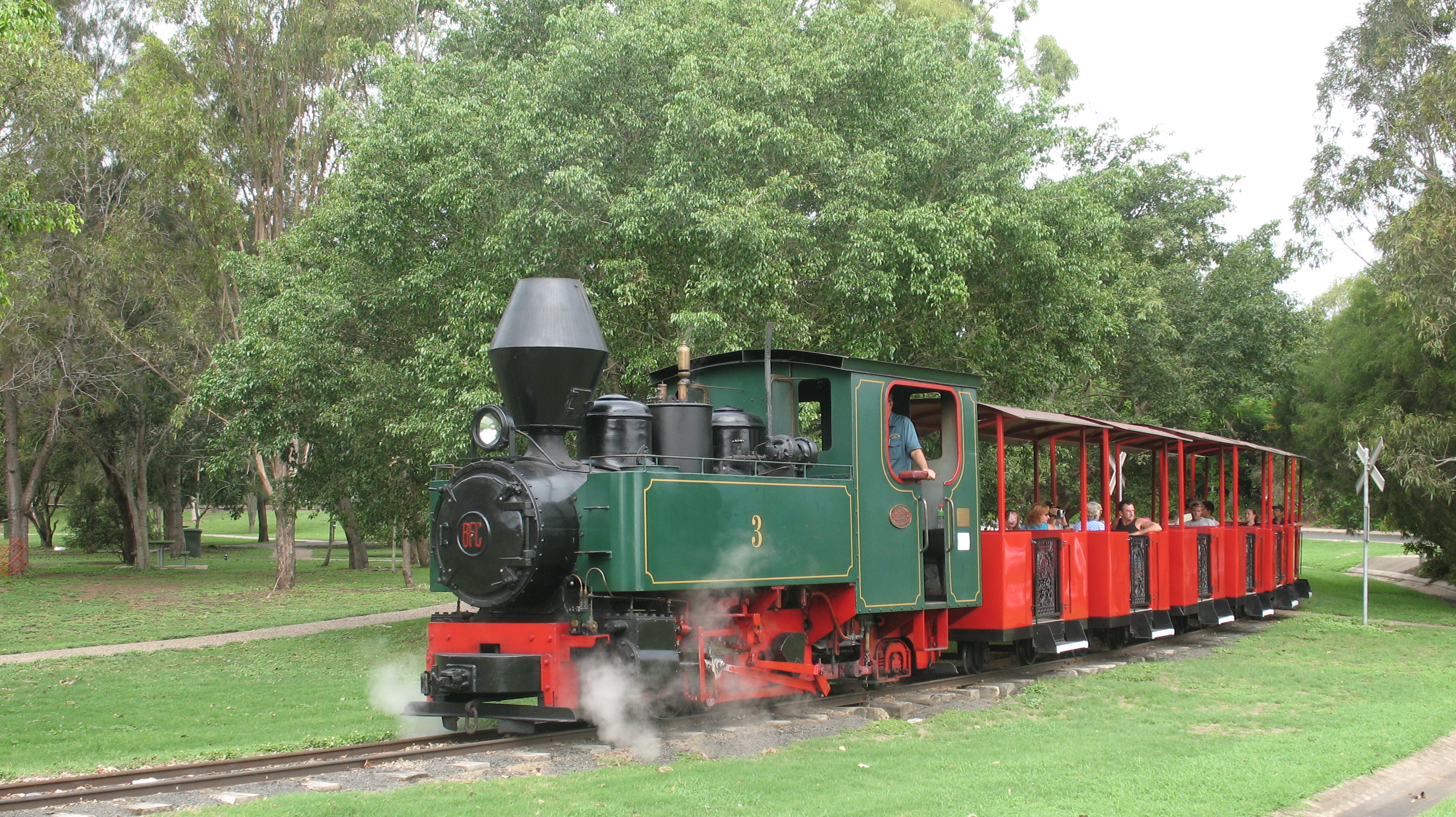
Volunteer Train Drivers Hit with Costly New Health Rules at Bundaberg Botanic Gardens
By Mellissa Harney
The beloved sugarcane train that winds through the Bundaberg Botanic Gardens is being squeezed by new national rail-safety health standards, leaving its all-volunteer crew facing costly medical tests, long delays and in some cases, unexpected bills for sleep-apnoea machines.
The Australian Sugar Cane Railway (ASCR), operated entirely by the volunteer members of the Bundaberg Steam Tramway Preservation Society (BSTPS), is warning that the new requirements introduced late last year, are putting heavy strain on the small group.
Treasurer Gary Williams said the volunteers had no choice but to comply after a new edition of the National Standard for Health Assessment of Rail Safety Workers came into force on 11 November 2024. Under the rules, only Authorised Health Professionals trained under the new system can carry out the assessments, dramatically increasing the cost.
“We’ve spent $13,000 on full rail-safety medicals, including the STOP-BANG tests just to keep our drivers certified,” Mr Williams said. “That’s a huge amount for a volunteer-run organisation.”
Some volunteers paying out of pocket
Although the Society covered the main round of medical screening, several members were forced to buy their own sleep-apnoea machines after being flagged during assessment, an unexpected cost for volunteers who receive no wages.
One driver spent five months and $1,400 working through the new assessment requirements before he was allowed back in the driver’s seat.
Mr Williams said part of the problem is the design of the STOP-BANG screening tool, which can trigger compulsory specialist reviews, meaning higher costs and long waits, based on simple demographic questions.
“If you answer yes to things like: Are you male? Are you over 50? Do you take any medication? that’s three strikes,” he said. “And once you hit three, you’re sent to a specialist.”
Much-loved attraction run entirely by volunteers
The ASCR is a cherished Bundaberg attraction, operating inside the Botanic Gardens most Wednesdays and Sundays, as well as public holidays. During Queensland school holidays, services run four days a week between 9am and 3pm.
Rising compliance pressure for small heritage operations
Heritage and tourist railways across Australia have warned that the revised 2024 Standard, although designed to improve national rail safety, does not distinguish between large commercial rail operators and tiny community-run attractions staffed by retirees and volunteers.
Mr Williams said the Society is committed to meeting the rules. However, warned regulators, the impact on volunteer groups is real, with some similar operations already closing and ticket prices potentially rising by 25 per cent to keep the service running.
“We support safety. Safety is everything in rail,” he said. “But the cost and time burden is becoming really tough on small groups like ours.”